
430: What If Undesirable Student Behavior Is First Seen as a Message?
Subscribe to the "Getting Unstuck – Cultivating Curiosity" podcast.



Guests
Tomelle Greenfield holds a Bachelor's degree in Elementary Education and a Master's degree in Applied Behavior Analysis. As a Strobel Education Consultant, behavior specialist, and co-developer of the ROOTS Framework, she partners with schools to build proactive, relationship-centered systems that improve student behavior, educator confidence, and lasting outcomes.
As a former teacher turned speaker and happiness coach, Kim Strobel helps schools, businesses, and organizations prioritize happiness and well-being so they can overcome fears, discover joy, activate limitless potential, and boldly pursue their dreams. She is the author of Teach Happy.
Summary
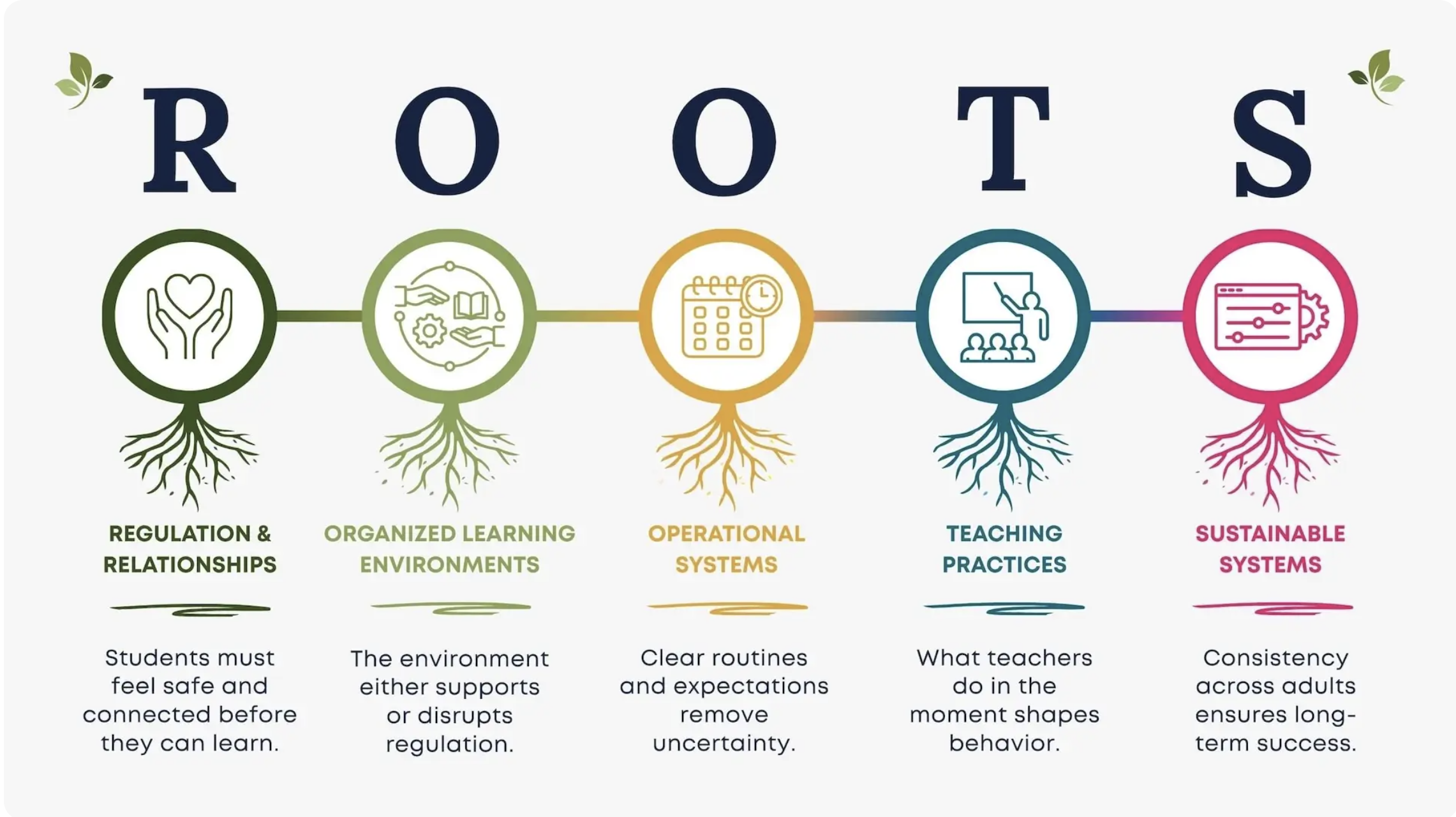
Tomelle and Kim argue that schools need to rethink how they understand and respond to student behavior. Rather than treating behavior as a problem to be managed after it occurs, they see it as communication and believe schools should create conditions that prevent dysregulation in the first place. Their ROOTS approach brings together practices that are often treated as separate initiatives—including trauma-informed practices, social-emotional learning, restorative practices, Positive Behavioral Interventions and Supports, Multi-Tiered System of Supports, relationship building, and classroom management—into a coherent system.
A central theme is the importance of relationships and regulation. Dysregulated students cannot learn effectively, and simply removing them from class or imposing consequences does not teach the skills they lack. Teachers, too, need support in learning to regulate themselves and model those skills for students.
Tomelle and Kim believe schools need to move from “doing” to “being”: these practices should become part of the everyday culture, not another set of initiatives. Consistent coaching, common expectations, adult support, and preventative systems are essential. Ultimately, their message is that healthy schools begin with healthy relationships—and that connection and accountability can coexist.
The Essential Point
Behavior management shouldn't be something schools do to students after problems arise; it should be woven into how schools operate every day. Relationships, regulation, consistency, and prevention create the conditions in which students—and teachers—can learn and thrive.
Social Media & Referenced

About Jeff
Jeff Ikler is the Director of Quetico Leadership and Career Coaching. “Quetico” (KWEH-teh-co). He works with leaders in all aspects of life to identify and overcome obstacles in their desired future. He came to the field of coaching after a 35-year career in educational publishing. Prior to his career in educational publishing, Jeff taught high school U.S. history and government.
Jeff has hosted the “Getting Unstuck—Cultivating Curiosity” podcast for 5 years. The guests and topics he explores are designed to help listeners think differently about the familiar and welcome the new as something to consider. He is also the co-host of the Cultivating Resilience – A Whole Community Approach to Alleviating Trauma in Schools, which promotes mental health and overall wellness.
Jeff co-authored Shifting: How School Leaders Can Create a Culture of Change. Shifting integrates leadership development and change mechanics in a three-part change framework to help guide school leaders and their teams toward productive change.
Show Credits
"Getting Unstuck" is commercial-free. It’s brought to you by Jeff Ikler, his amazing guests, and Neil Hughes, the best engineer a podcaster could ask for.
"Getting Unstuck" theme music: Original composition of "Allegro ben ritmato e deciso" by George Gershwin. Arrangement and recording courtesy of Bruno Lecoeur.