
434: What is Wolf Conservation Really About – Wolves or People?
Subscribe to the "Getting Unstuck – Cultivating Curiosity" podcast.



Guest
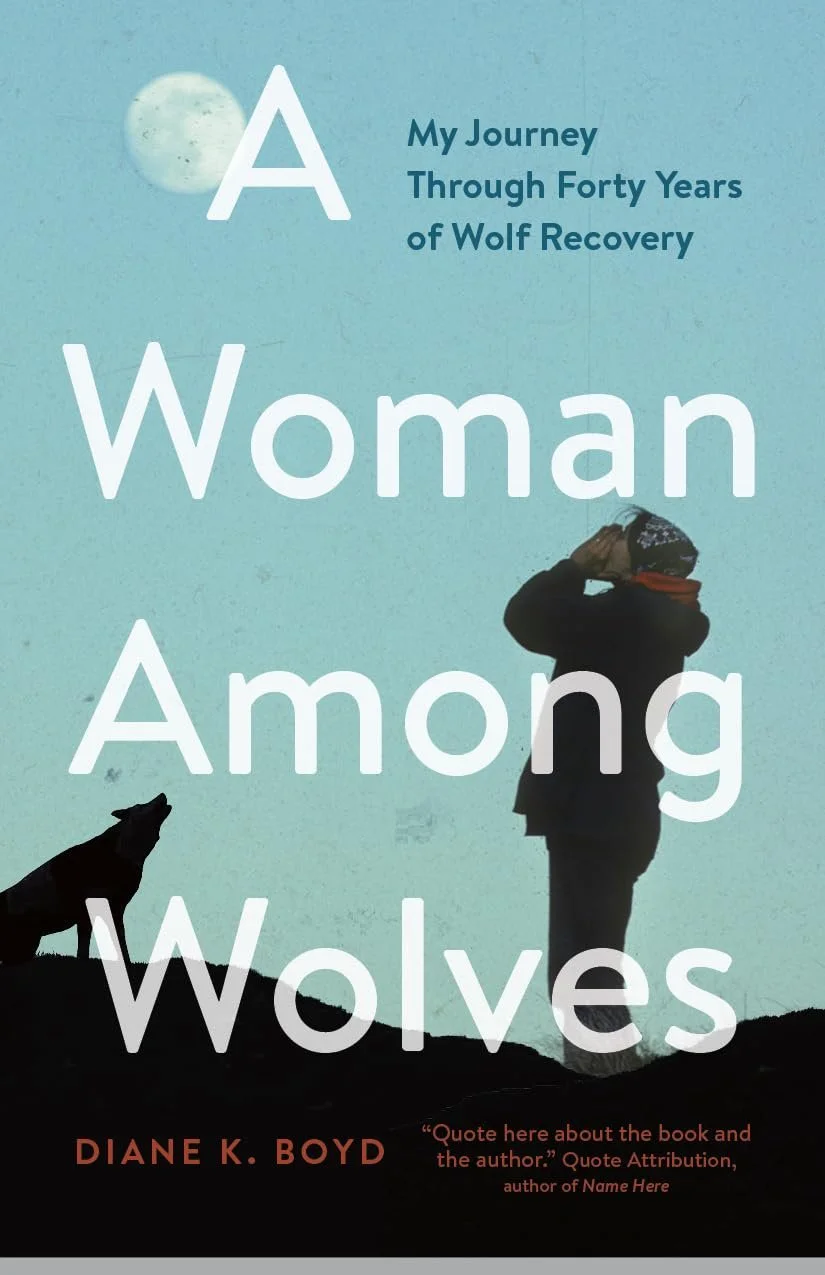
Diane Boyd began working with wolves in Minnesota in 1976 and continues to do so today. She has authored more than 50 publications on wolves, including her recent memoir, A Woman Among Wolves. Her work has focused on wolf ecology, conservation, and resolving wolf-human conflict.
Summary
Diane Boyd’s lifelong study of wolves has taken her from a young, “starry-eyed” researcher tracking and collaring wolves to a scientist focused on the human dimensions of wolf conservation. She argues that wolves are neither demons nor angels, but simply another remarkable wildlife species. Boyd emphasized the importance of understanding wolves' social behavior and how human actions affect their populations.
Her essential point is that wolf recovery and management are ultimately about people: changing perceptions, challenging myths, understanding fear, and helping the public engage with the science.
Our conversation discusses several questions:
• What Do We Really Understand About Wolves?
• Are Wolves Really the Animals We Think They Are?• What Can Wolves Teach Us About Ourselves?
• Why Do People Fear Wolves?
• Can Science Change the Way We See Wolves?
• How Do We Open Minds About Wolves?
Social Media
https://www.dianekboyd.com/home
Referenced
Lone Wolf by Adam Weymouth
A Woman Among Wolves by Diane Boyd
Research
• Noxon Elk Study: https://www.youtube.com/shorts/5ce8pKyGRMQ
Key Findings & Data
According to recent annual project updates from Montana FWP:
Herd Stability: Despite hunter concerns, data indicates that the elk population in the area is stable to slightly increasing.
Primary Predators: While wolves get significant attention, the data shows that mountain lions and black bears actually account for the highest predation rates on both adult elk and newborn calves. Wolves account for a smaller fraction of the kills.
Calf Survival: Elk calf survival rates have averaged around 32% over a longer span, but recent years have shown spikes closer to 50%, which is strong enough to maintain or slowly grow the herd.
Non-Predatory Mortality: Predation isn't the only pressure; a notable portion of monitored calf mortality is also attributed to malnutrition and starvation during tough winter months.
The "Private Land" Shift: The tracking data reveals that elk alter their behavior to avoid heavy threat environments, often shifting their seasonal distribution away from heavily hunted public lands onto secure, private land pockets.
• Rocky Mountain Elk Foundation: https://rmef.org/media/scientists-students-study-a-changing-montana-elk-population/

About Jeff
Jeff Ikler is the Director of Quetico Leadership and Career Coaching. “Quetico” (KWEH-teh-co). He works with leaders in all aspects of life to identify and overcome obstacles in their desired future. He came to the field of coaching after a 35-year career in educational publishing. Prior to his career in educational publishing, Jeff taught high school U.S. history and government.
Jeff has hosted the “Getting Unstuck—Cultivating Curiosity” podcast for 5 years. The guests and topics he explores are designed to help listeners think differently about the familiar and welcome the new as something to consider. He is also the co-host of the Cultivating Resilience – A Whole Community Approach to Alleviating Trauma in Schools, which promotes mental health and overall wellness.
Jeff co-authored Shifting: How School Leaders Can Create a Culture of Change. Shifting integrates leadership development and change mechanics in a three-part change framework to help guide school leaders and their teams toward productive change.
Show Credits
"Getting Unstuck" is commercial-free. It’s brought to you by Jeff Ikler, his amazing guests, and Neil Hughes, the best engineer a podcaster could ask for.
"Getting Unstuck" theme music: Original composition of "Allegro ben ritmato e deciso" by George Gershwin. Arrangement and recording courtesy of Bruno Lecoeur.