
437: A Personal Story of Memory and Meaning
Subscribe to the "Getting Unstuck – Cultivating Curiosity" podcast.



Guest
Something different in this episode. No guest. Instead, I narrate a personal story in three parts that originally appeared as a Substack essay.
Summary
Memory can result from our reshaping of the past to meet emotional needs, protect relationships, and help us make sense of ourselves.
Part 1
A canoeing mishap in Canada’s Quetico Provincial Park illustrates how innovation often begins with the constraint of using only what’s at hand. By repurposing a paddle as a lever, my brother and I escape a submerged tree branch and what could have been a very wet welcome in a river.
Part 2
Later, I use the paddle example to describe the innovation skill of “task unification” in a workshop. And I describe three additional examples of task unification:
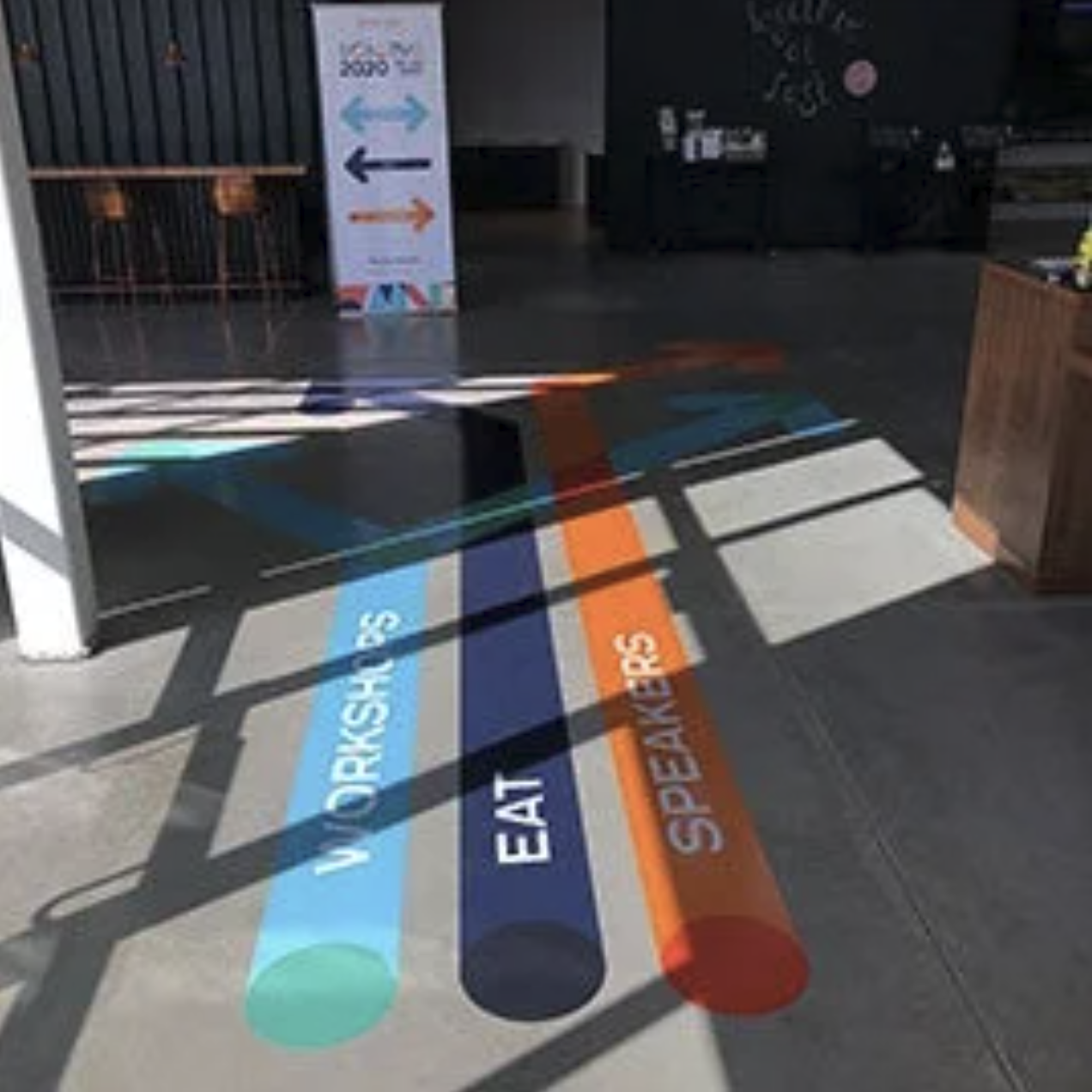
A color-coded series of arrows on a concrete floor used as a directory in a conference hall.

An attic window whose panels fold out to become the framing of a small balcony.
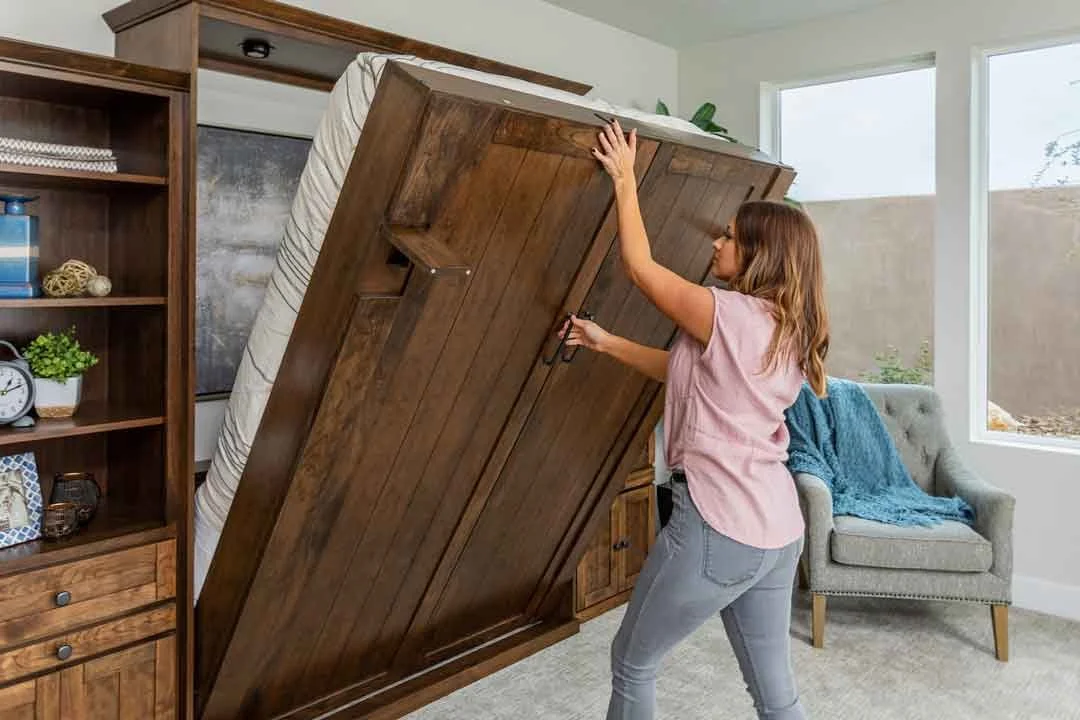
A large section of a bedroom wall folds down to become a platform for the bed hidden in the wall.
Part 3
My story takes an unexpected turn when my brother doesn’t remember the canoeing incident. I then explore how memory, family relationships, and the stories we tell ourselves can shape—and perhaps reshape—our understanding of the past.
Show Credits
"Getting Unstuck" is commercial-free. It’s brought to you by Jeff Ikler, his amazing guests, and Neil Hughes, the best engineer a podcaster could ask for.
"Getting Unstuck" theme music: Original composition of "Allegro ben ritmato e deciso" by George Gershwin. Arrangement and recording courtesy of Bruno Lecoeur.